

Understanding Martingale Collars
If your dog tends to slip out of traditional collars or you are looking for a safer option for walks, a martingale collar is a simple and effective solution.
What is a Martingale Collar?
A martingale collar, often referred to as a limited-slip collar, is designed to gently tighten when your dog pulls, without choking.
This makes it especially suited to breeds with narrower heads, such as greyhounds and whippets, but it can be used comfortably by dogs of all shapes and sizes.
It offers a secure fit while still allowing your dog to move freely and comfortably.
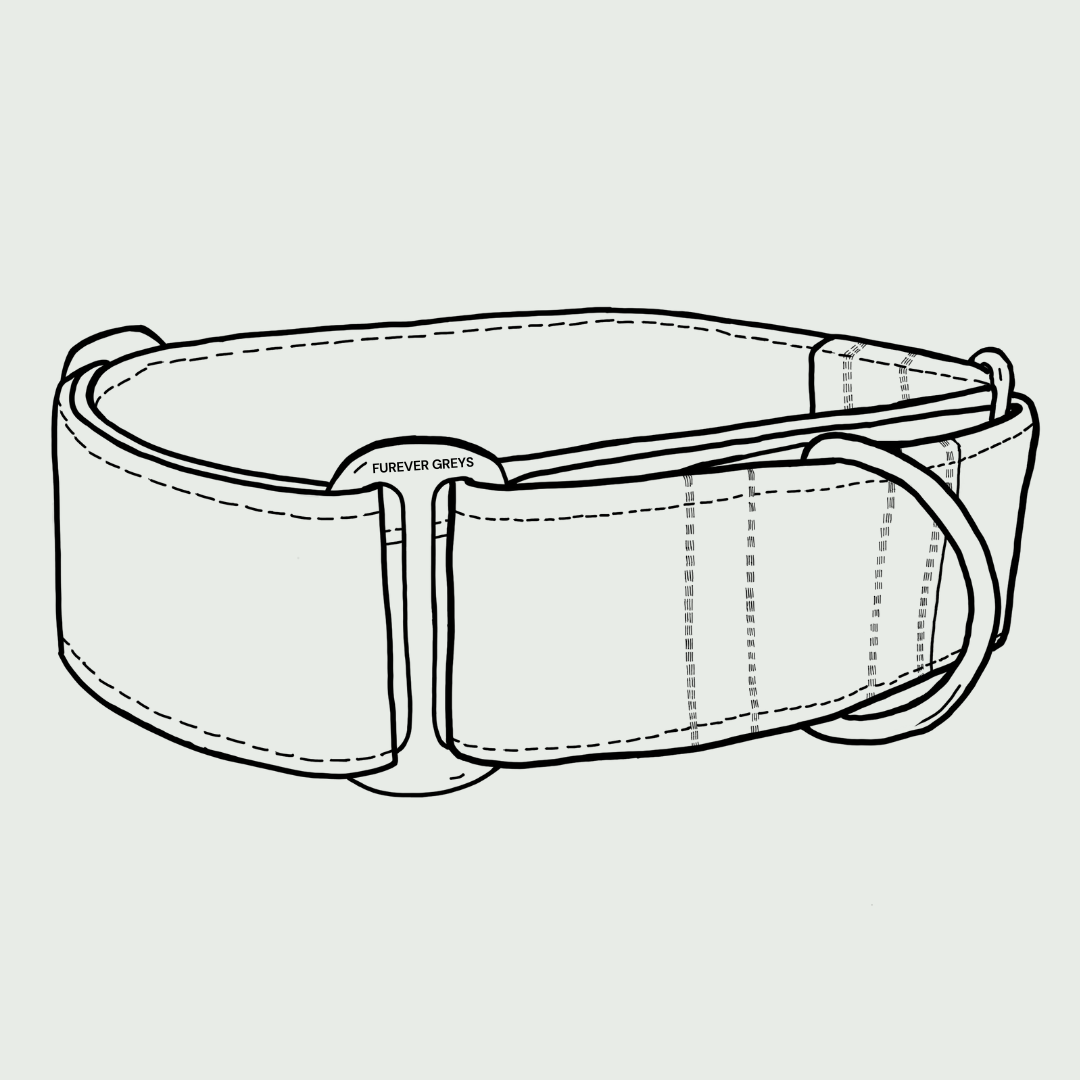
Why choose a Martingale Collar
Martingale collars help prevent dogs from backing out of their collar during walks, giving you added peace of mind.
They also provide gentle feedback when your dog pulls, making them a practical option for everyday walking without the need for harsh correction.

Comfort and design
Alongside their functionality, martingale collars are designed with comfort in mind.
They sit comfortably around your dog’s neck and are suitable for daily wear. With a range of colours and designs available, they also offer a simple way to reflect your dog’s personality while keeping them safe.
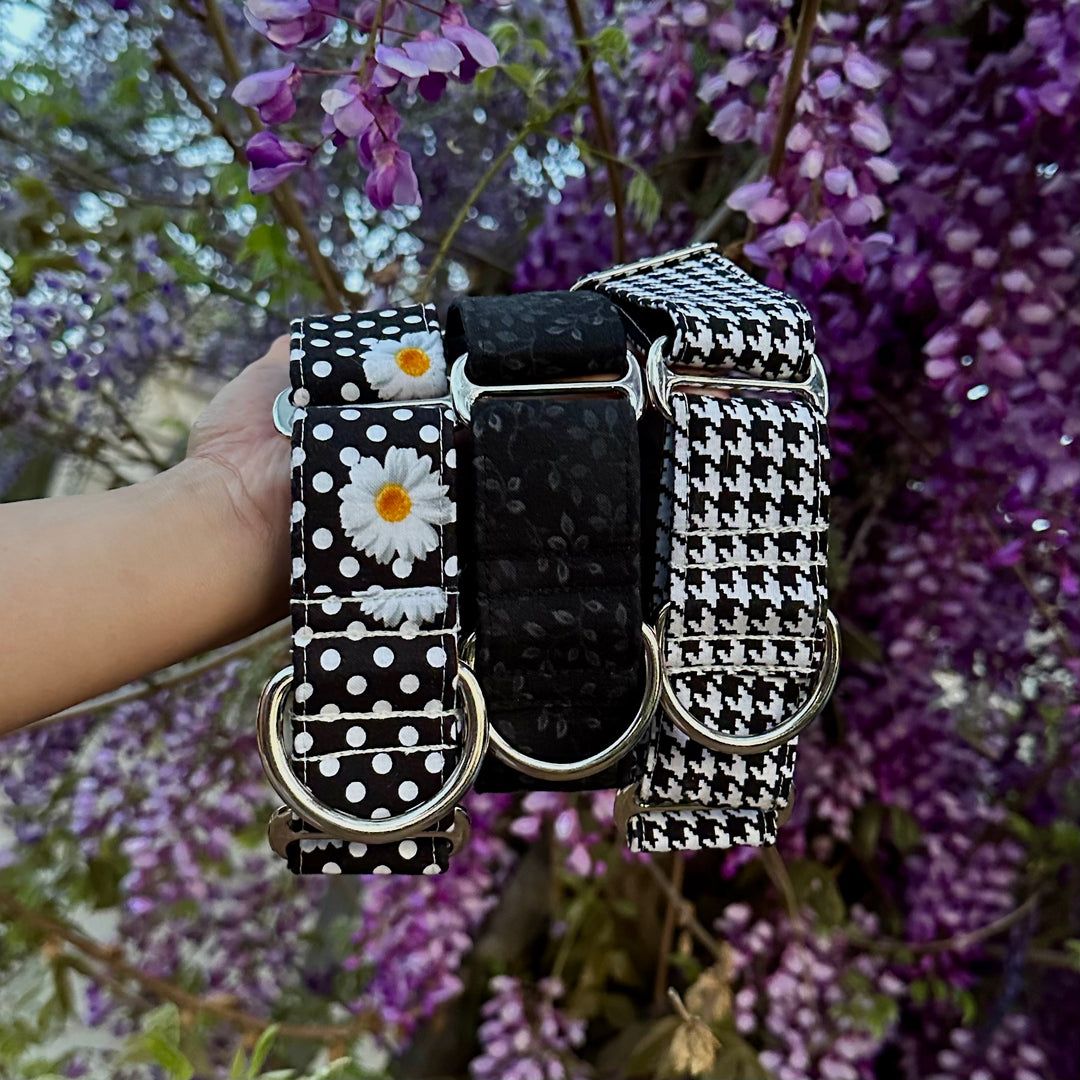
Martingale Collar Safety: The Ultimate Guide for Pet Parents
A martingale collar is designed to be a safe and secure option for walking your dog. To get the most out of it, correct fit and use are important.
1. Getting the right fit
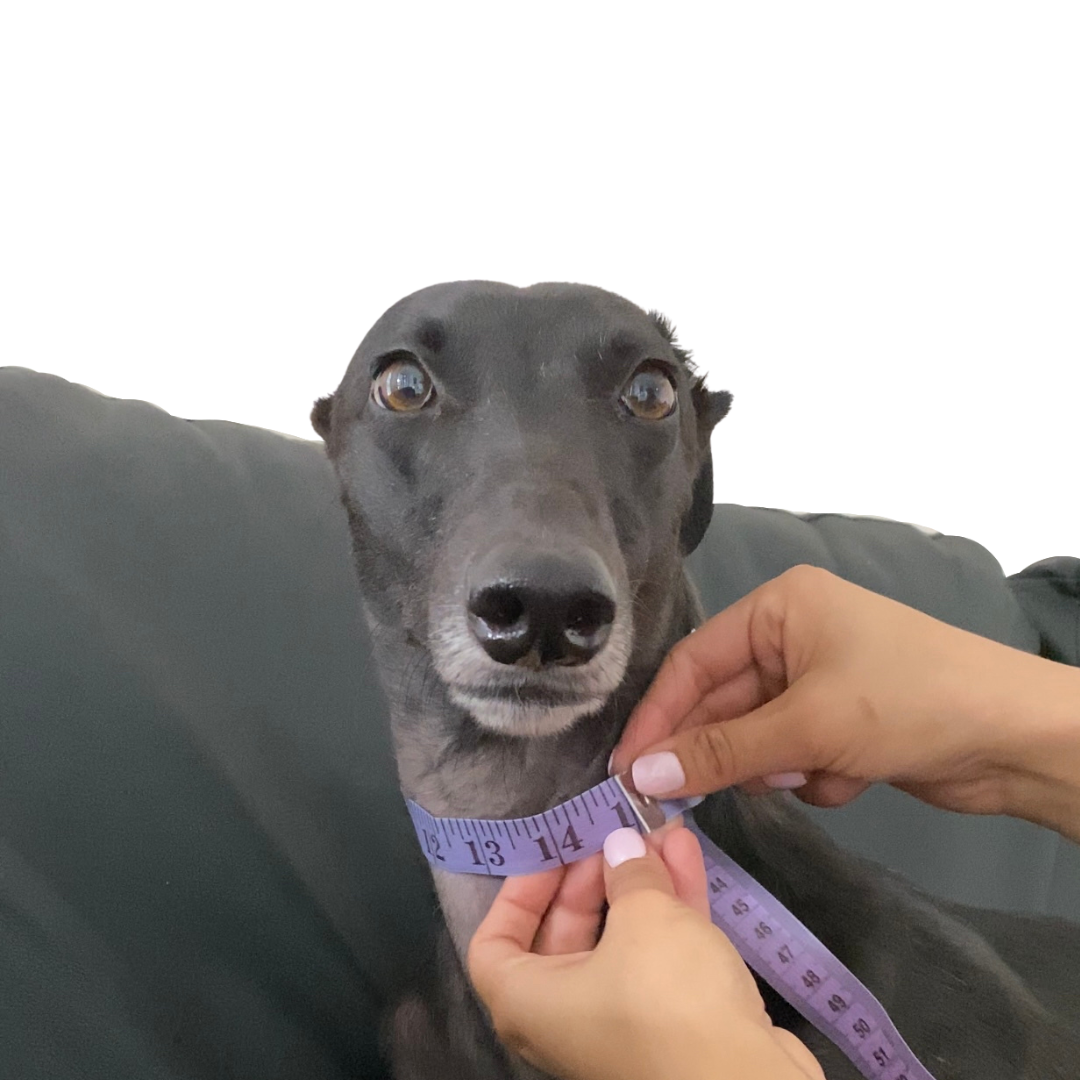
A martingale collar should sit comfortably around your dog’s neck when relaxed and gently tighten when tension is applied.
When fitted correctly, the collar should tighten enough that it cannot slip over your dog’s head, but never so much that it causes choking or restricts breathing. As a guide, you should be able to fit around three fingers between the collar and your dog’s neck.
It is also important to check that when the collar is fully tightened, the two metal slides do not touch. There should always be a small gap to ensure the collar remains limited-slip rather than fully tightening.
Taking the time to adjust the fit properly will ensure your dog stays secure without compromising comfort.
2. Supervision matters
Martingale collars are designed for use during walks or when your dog is under supervision.
Because of the looped design, there is a risk that the collar could catch on objects such as furniture, crates, or fencing if left on unattended. It can also become tangled during play with other dogs.
For safety, it is recommended to remove the martingale collar when your dog is at home or unsupervised, and use a flat collar or ID tag collar if needed.
3. Introducing the collar
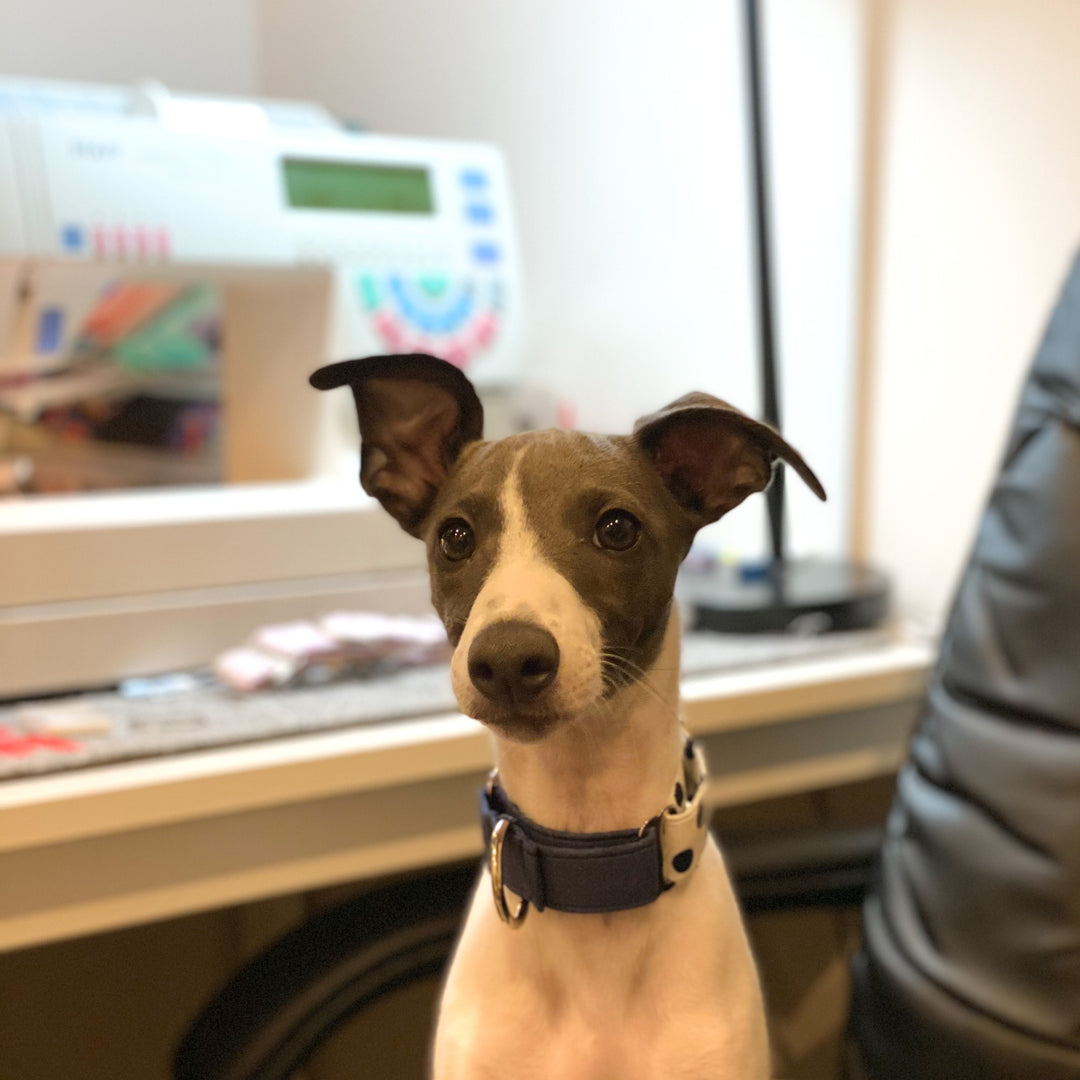
If your dog is new to a martingale collar, a gradual introduction can help them feel more comfortable.
Start by allowing your dog to wear the collar indoors for short periods without attaching a lead. This gives them time to adjust to the feel of the collar in a relaxed environment.
Once they are comfortable, you can begin using it on walks. Most dogs adapt quickly, especially when the collar is associated with positive experiences like going outside.
4. Using the collar correctly
A martingale collar should only tighten when your dog pulls on the lead. It is not designed to be used for harsh correction or constant tension.
Using a steady, gentle lead pressure will help your dog understand boundaries without causing stress. When used correctly, the collar acts as a communication tool rather than a form of punishment.


